Is Cow Cuddling Safe for Kids? A Parent's Guide
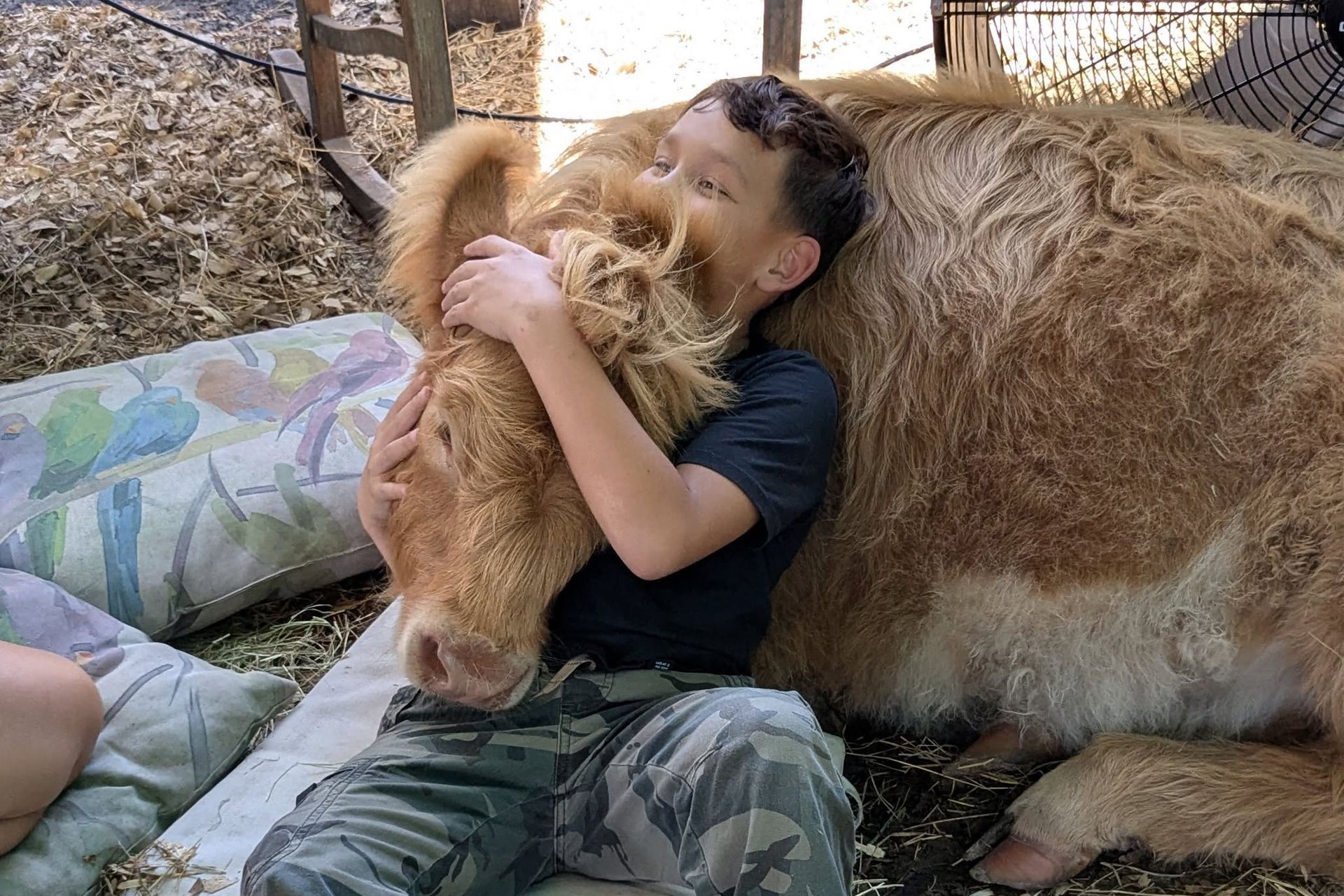
A cow’s fluffy fringe may look like an invitation to cuddle, but a sweet face doesn’t tell you how an animal will behave. Is cow cuddling safe for kids? It can be a memorable experience when adults stay attentive, children follow clear boundaries, and the cow is comfortable with the interaction. Still, close contact with a large animal is never entirely risk-free.
It makes sense to feel both excited and cautious. You want your child to enjoy meeting a cow while knowing how to help keep everyone safer. The key isn’t judging a cow by its cuddly appearance. It’s considering the setting, respecting the animal’s space, and deciding whether your child is ready to listen and pause when asked.
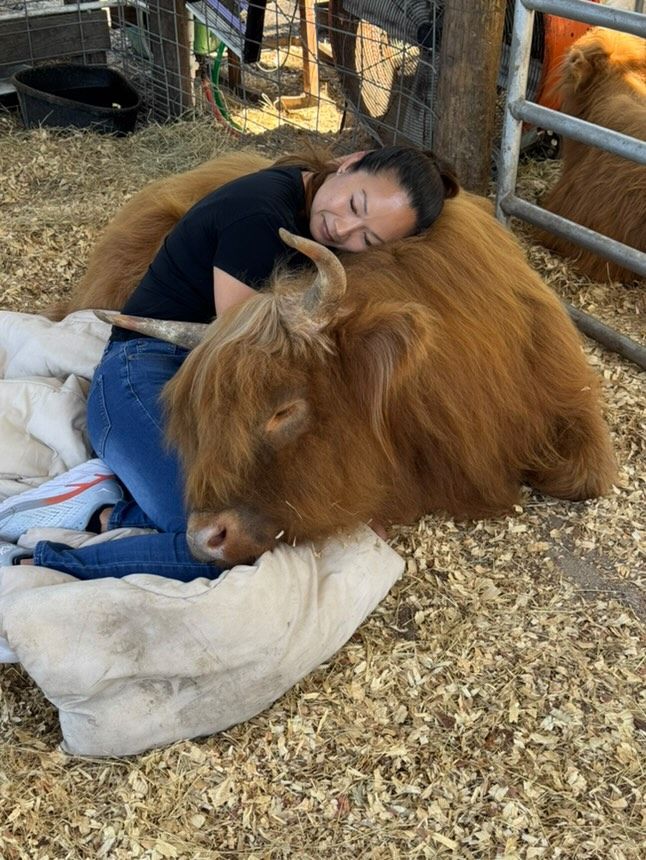
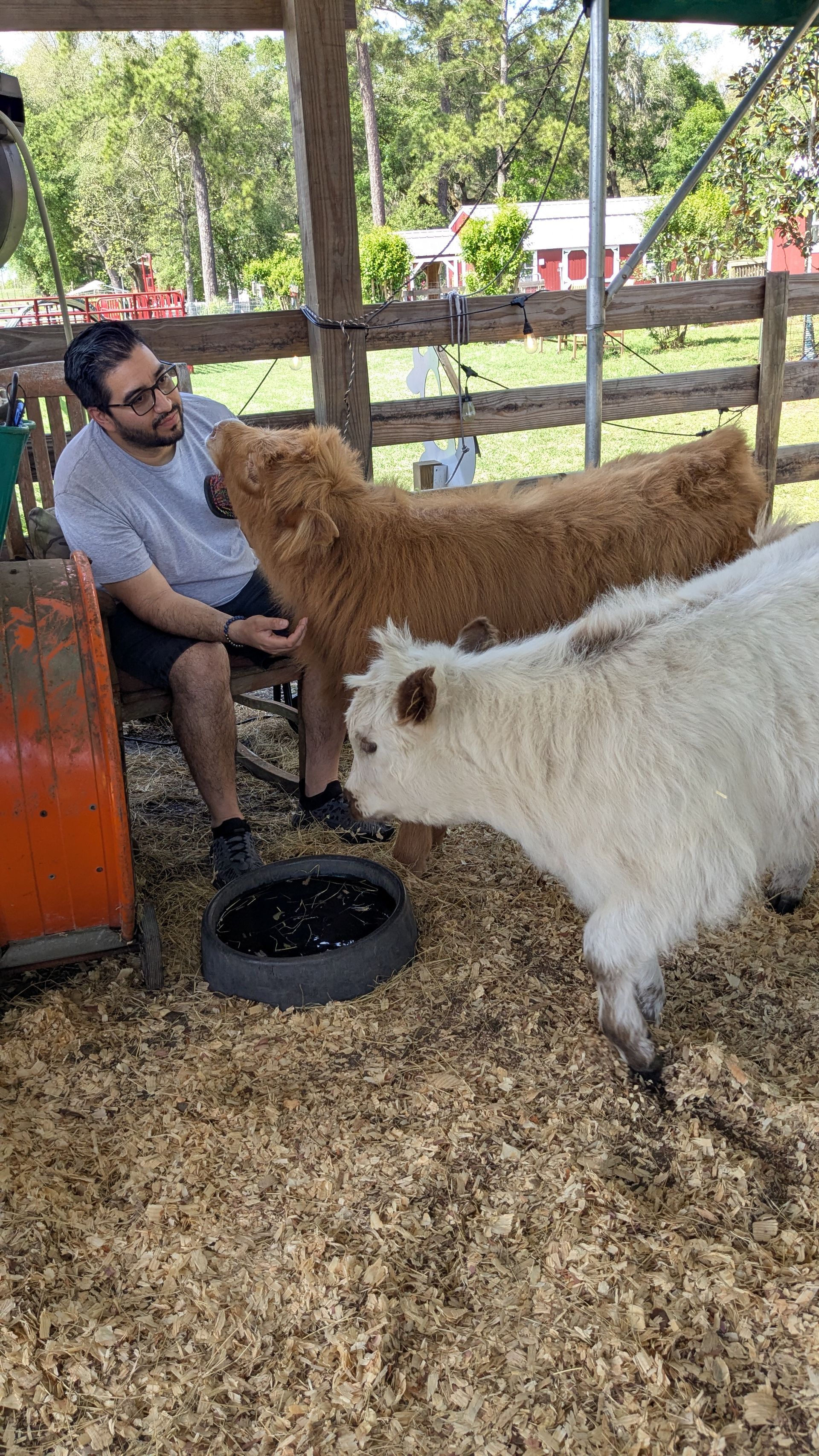
This guide covers factors that affect a child’s safety around cows, how to prepare for a visit, and how to tell whether your child is ready for close contact. You’ll also find practical advice about boundaries, hygiene, and animal comfort, including what to consider before a private Highland Cow Cuddles experience at Rooterville Animal Sanctuary
in Melrose, Florida. A little preparation can make room for wonder, with respect at the heart of the visit.
Key Takeaways
- Whether is cow cuddling safe for kids depends on the child, the cow, the setting, and attentive supervision, not on a fluffy appearance alone.
- Before planning close contact, consider whether your child can listen, stay calm, and respect an animal’s space.
- Prepare your child to wait, follow directions, and give the cow room to choose whether to interact.
- Plan for practical risks, including a child being startled or accidentally bumped, and wash hands after animal contact.
- Rooterville Animal Sanctuary
in Melrose is home to rescued farm animals and offers private Highland Cow Cuddles experiences.
Table of Contents
- Is Cow Cuddling Safe for Kids? Understand the Real Answer
- Cow-Cuddling Risks for Children, and How Sensible Safeguards Help
- How to Decide If Your Child Is Ready to Meet a Cow
- How to Prepare Kids for a Safe, Respectful Cow Encounter
- Planning a Child’s Highland Cow Visit at Rooterville in Florida
Is Cow Cuddling Safe for Kids? Understand the Real Answer
It depends on the child, the individual cow, the setting, and the level of supervision. A calm, well-managed encounter can be a lovely way to meet a farm animal, but no close contact is completely predictable. Even a cow that looks gentle is a large animal, not a plush toy. A small shift, startled step, or nudge can matter when a child is nearby.
A useful way to think about safe animal interaction is supervised, respectful contact where a child can follow directions and the animal has room to respond naturally. CDC guidance recommends supervising children around animals and practicing good hygiene. Farm animals can also carry germs that spread to people.
Zoonotic diseases is an overview of infections that pass between animals and humans.
What Parents Should Know Before a Child Meets a Cow
A child needs to listen to the supervising adult, stay calm, and follow directions throughout the encounter. An organized visit differs from wandering near livestock without guidance because adults can help establish boundaries, but supervision doesn’t erase risk. Practice simple reminders before you go: “Wait until an adult says it’s okay,” and “Move slowly, like you’re carrying a sleeping kitten.”
Space matters, too. Explain that a cow needs room to stand, turn, and move away. “Let the cow choose whether to come closer” gives a child a clear, kind rule. If your child can’t pause, keep their hands to themselves, or stay beside a supervising adult, close contact may not be a good fit right now. Watching from a comfortable distance can still make the visit meaningful.
Why a Cow’s Calm Appearance Does Not Guarantee Predictable Behavior
Animal-welfare guidance, including advice from the RSPCA, cautions that animals may react to fear, unfamiliar surroundings, or handling. A cow’s response can vary depending on the animal and what’s happening around it. Noise, quick movements, or a change in the cow’s comfort can alter an encounter, even if the animal seemed relaxed moments earlier.
A fluffy coat, quiet posture, or friendly expression shouldn’t be treated as a safety signal. Highland cows may look especially cuddly, but their appearance doesn’t make them inherently safer or more predictable. Focus on what’s happening: Is your child listening? Can the cow move away? Is an attentive adult guiding the child? If any answer changes, pause and create more space.
So, is cow cuddling safe for kids? It can be a considered family activity when a child is ready to respect boundaries and adults remain attentive, but it isn’t risk-free. Put the cow’s comfort and the child’s ability to follow directions ahead of getting close. That balance leaves room for a memorable meeting without mistaking cuteness for certainty.
Cow-Cuddling Risks for Children, and How Sensible Safeguards Help
A child may be startled by a sudden movement or accidentally bumped if a cow shifts its weight or steps nearby. An incident isn’t inevitable, but the animal’s size and movement deserve respect. Supervision can help children keep appropriate boundaries, but it can’t remove every risk. The practical goal is to reduce avoidable surprises, not to expect a perfectly predictable encounter.
Animal Size, Movement, and Personal Space
Cows may move, turn, or react to changes around them. A quick dash, loud shout, or crowding can startle an animal or make it harder for a child to respond calmly. Keep the encounter unhurried: feet still, voices gentle, and room for the cow to move away. An adult should stay close enough to guide the child and pause the interaction if either seems uncomfortable.
Before getting close, remind your child: “Walk, don’t run,” “Use a quiet voice,” and “Give the cow room.” Short cues are easier to remember than a long list of rules. If your child gets excited and forgets, step back together and reset. Do the same if the cow changes position or the surroundings become busy. Calm pacing helps, but it can’t guarantee how an animal will behave.
That distinction matters when asking,
is cow cuddling safe for kids? Sensible safeguards can reduce preventable risks, while an animal’s size and individual reactions remain part of the picture. Organized, supervised contact is different from approaching livestock without guidance, but parents should stay engaged rather than assume the setting makes close contact risk-free.
Hand Hygiene and Contact Boundaries
Germs can spread through direct contact with animals and contaminated surfaces, such as gates, rails, clothing, or equipment. A child who hasn’t touched the cow may still have touched something in its environment. The CDC advises washing hands with soap and running water after contact with farm animals or their surroundings, and before eating or drinking. Help younger children wash thoroughly, and keep food and drinks out of animal areas.
Make the routine easy to follow: “First we leave the animal area, then we wash our hands before we snack.” Don’t let children put fingers in their mouths or handle food while touching animals or nearby surfaces. If soap and water aren’t immediately available, use hand sanitizer as a temporary measure, then wash with soap and water as soon as you can. For concerns about your child’s individual health, ask their pediatrician for guidance.
Rooterville Animal Sanctuary
is a home for rescued farm animals in Melrose, Florida, and offers a
private Highland Cow Cuddles experience. Whatever the setting, attentive adults, gentle boundaries, and handwashing are practical parts of a family visit.
How to Decide If Your Child Is Ready to Meet a Cow
There isn’t one age that tells you a child is ready for close contact with a cow. Temperament, experience, and the ability to follow directions matter more than a birthday. Think about how your child responds when asked to pause or give someone space. Can they stay near a supervising adult, even when excited? Everyday moments like these can offer useful clues.
Readiness isn’t about being fearless. A child can feel curious and cautious at the same time. The question behind “is cow cuddling safe for kids” is also whether this particular child can take part at a comfortable pace while respecting the animal’s space.
Signs a Child May Be Comfortable With a Farm-Animal Encounter
Notice whether your child can listen, pause, and stay beside you in a new place. Consider how they respond to unfamiliar sounds, smells, and the sight of a large animal. Talk beforehand about what they might see and hear, and let them know they can change their mind at any point. A willing “yes” matters more than excitement that comes with pressure.
Before planning close contact, use this quick readiness check. These aren’t pass-or-fail rules; they’re prompts to help you choose a comfortable level of participation:
- Can your child stop and listen when an adult gives a direction?
- Can they stay beside their supervising adult rather than darting ahead?
- Can they wait without reaching, chasing, or crowding an animal?
- Can they tell you if they feel worried, overwhelmed, or ready to stop?
If one answer is “not yet,” make a different plan or practice those skills another time. There’s no need to turn a sanctuary visit into a test.
When Watching From a Distance Is the Better Choice
Observation counts. Your child can enjoy watching cows move, eat, or rest without touching one. A quieter first look may help them feel more at ease. Close contact and watching from a distance are different comfort levels, not measures of bravery. Let your child’s response guide the choice rather than expecting everyone in the family to participate in the same way.
If your child becomes overwhelmed, freezes, pulls away, or stops following directions, pause the close encounter and create more space. Offer a calm choice: “Would you like to watch from here, or take a break?” Avoid calling a cautious child difficult or coaxing them closer for a photo. Giving them permission to step back builds trust and keeps the animal’s comfort in view, too.
Readiness can change during a visit. A child who felt confident at home might find the real sounds or size of a cow surprising; another might become more comfortable after watching from afar. Keep your plan flexible, and treat “I’m done” as a complete answer. An observation-only visit can still leave a child with a warm, worthwhile memory of meeting farm animals.
How to Prepare Kids for a Safe, Respectful Cow Encounter
A little rehearsal can turn “What do I do?” into a calm, confident plan. Explain that a cow is an animal with its own comfort level, not a character who has to pose or cuddle. Your child’s job is to listen to the adults guiding the encounter and follow the instructions for the visit. Never let a child approach an animal independently, even if it looks relaxed or familiar.
Before the Visit: Set Expectations Together
Keep the rules simple and practice them at home: “We wait until an adult says it’s okay,” “We use quiet voices,” and “We keep our hands to ourselves until invited.” A pretend practice can help a younger child remember to pause and listen. Explain that the cow may choose to move away, and giving it space is part of being kind.
As you plan, read the visitor guidance so you know what to expect. Choose practical clothes and shoes for a farm setting, and talk through what your child might notice, such as animal sounds, unfamiliar smells, or muddy ground. Ask what they’re curious or nervous about. A child who knows they can watch first or opt out may feel less pressure to rush into close contact.
During and After Contact: Keep the Experience Calm
Stay close and attentive throughout the interaction. Let the visit’s guide lead, and help your child stop and listen whenever they give an instruction. If your child becomes excited, distracted, or unsure, pause rather than trying to hurry through the moment. A quiet breath and a step back can reset the pace. Keep the focus on respecting the animal, not on getting a particular photo or making the cow interact.
After leaving the animal area, help your child wash their hands thoroughly with soap and running water. The CDC recommends handwashing after contact with farm animals and their surroundings, and before eating or drinking. Make it part of the outing’s natural rhythm: “We’re finished visiting, so now we wash before our snack.”
It can also help to talk afterward about what your child noticed and how they felt. Praise thoughtful choices, like waiting, listening, or deciding to observe from farther away. That reinforces the idea that a respectful animal encounter is about everyone’s comfort, not just getting close.
Is cow cuddling safe for kids? Preparation can help families make a more informed, considerate choice, though it can’t remove every uncertainty of close contact with an animal. Rooterville offers a
private Highland Cow Cuddles experience at its sanctuary for rescued farm animals in Melrose, Florida.
Planning a Child’s Highland Cow Visit at Rooterville in Florida
Rooterville Animal Sanctuary in Melrose, Florida, provides a home for rescued farm animals. Families considering a cow encounter can plan with care and respect in mind. A sanctuary visit doesn’t mean a cow will want to interact. The animal’s comfort and the child’s readiness both matter.
What Makes a Sanctuary Visit Different From Casual Animal Contact
Casual contact can happen without much preparation, such as encountering livestock while walking near a farm. Planning a sanctuary visit gives families a reason to think ahead about boundaries and how to approach the experience thoughtfully. Rooterville is a home for rescued animals, so respect for each animal should guide the visit. A sanctuary setting doesn’t make every interaction predictable, and individual cows may respond differently.
Before choosing close contact, consider your child’s readiness: can they listen, stay with a supervising adult, and accept that the cow may not approach? If your child would rather observe, that can be a lovely way to experience the sanctuary, too. Focus on meeting an individual animal respectfully rather than expecting a particular cuddle, pose, or reaction.
Choosing a Private Highland Cow Cuddles Experience
Rooterville offers private Highland Cow Cuddles experiences. A private experience may suit families who have considered their child’s comfort and want to plan a cow encounter intentionally. “Private” describes the experience, not a guarantee of a particular animal response or a substitute for adult attention. Keep your child close, follow the guidance provided during the visit, and give the animal room to respond in its own way.
Asking “is cow cuddling safe for kids” doesn’t have a one-size-fits-all answer. Weigh your child’s ability to follow boundaries alongside the realities of close contact with a large animal. If your child is unsure, start with observation rather than pressure. If they’re ready to participate, stay attentive and be willing to pause. Base your plans on the visitor information available for the experience rather than assumptions about age or contact rules.
A little planning can make space for a memorable meeting, whether your child watches quietly or takes part in the private experience. Explore
Rooterville’s experiences as you consider what feels right for your family, and let care for the rescued animals guide the pace.
Make Room for a Thoughtful Family Adventure
A cow encounter doesn’t have to be an all-or-nothing decision. Let your child’s comfort guide the next step, whether that means watching quietly, taking a break, or joining a closer experience. A gentle pace gives your family room to enjoy the moment while treating the animal with care. If you’re still asking, is cow cuddling safe for kids, remember that no close animal interaction is entirely risk-free. A thoughtful choice starts with your child’s readiness and respect for boundaries.
Rooterville is a nonprofit animal sanctuary in Melrose, Florida, where rescued farm animals have a home. Its visitor experiences include private Highland Cow Cuddles, giving families the opportunity to consider a personal animal encounter with kindness at the center. A child discovering that simply watching can be special, too, can make a lovely memory in its own right.
Ready to plan a thoughtful farm visit?
Explore Rooterville’s private Highland Cow Cuddles experience and choose a pace that feels right for your family. A little curiosity, preparation, and respect can make room for a warm farm-day memory.
Frequently Asked Questions
Are Highland cows safe around children?
Highland cows aren’t automatically safer because their coats look soft or their expressions seem friendly. Like other cattle, they’re large animals, and their responses can vary. If you’re asking “is cow cuddling safe for kids,” consider the individual animal, the setting, adult supervision, and whether your child can follow directions. Leave the cow room to move, follow the visit’s instructions, and don’t assume a calm appearance guarantees predictable behavior.
What age is appropriate for a child to meet a cow?
There’s no single age that makes every child ready for a cow encounter. Consider whether your child can understand simple directions, remain with an adult, and communicate if they feel unsure. A younger child might be comfortable watching from a distance, while an older child may still need time to feel at ease. Use the visitor information for the experience when planning for your child.
Can a child touch a cow during a sanctuary visit?
Touching should depend on the visit’s instructions and the guidance given during the encounter. Don’t let a child approach or reach for a cow independently, even if the animal is nearby. Explain that looking is always an option, and contact should happen only when the instructions allow it. If the animal moves away or your child hesitates, give both room rather than trying to force a moment.
Should children wash their hands after touching farm animals?
Yes. The CDC recommends washing hands with soap and running water after touching farm animals and their surroundings, and before eating or drinking. Help children wash carefully, including fingertips and between fingers. A child can pick up germs from a gate or rail without touching an animal, so make handwashing part of leaving the animal area. Keep snacks for a place away from animal contact.
What should my child wear to a cow-cuddling experience?
Choose practical farm clothes that can handle dirt, and opt for closed-toe shoes and long pants, which are commonly recommended for farm visits. Skip sandals or shoes that make it difficult to walk steadily on uneven ground. Dress for the weather, too, since outdoor conditions can affect how comfortable your child feels. Follow any specific clothing instructions for the visit.
Can a nervous child enjoy a farm sanctuary visit?
Absolutely. Enjoying a visit doesn’t require touching an animal. Let your child take in the sights from a comfortable distance, describe what they notice, or take a quiet break if the setting feels like too much. Avoid promising a cuddle or urging them closer. Knowing they can say “not yet” can make the outing feel more manageable, and their comfort may shift as they settle in.
Is cow cuddling safe for children with animal allergies?
It depends on the child’s allergy and what triggers symptoms. Contact with animals may also mean exposure to nearby hay, dust, or other farm materials, so avoiding direct touch doesn’t necessarily remove every concern. Ask your child’s pediatrician for guidance tailored to their health before planning close contact. If symptoms begin during a visit, move away from the exposure and follow the child’s existing care plan.